Lifelong Learning - Erasmus+ 2025
Learning Exchange Trip to Bad Kösen, Germany –
1st to 6th June
In 2023, the LifeLong Learning team in Dublin South City Partnership secured accreditation with Erasmus+, as a Community Adult Education provider. This results in funding each year to promote learning opportunities for the various teams of people we work with.
Erasmus+ is the EU’s programme to support education, training, youth and sport in Europe.
The programme places a strong focus on social inclusion, the green and digital transitions, and promoting young people’s participation in democratic life.
It supports priorities and activities set out in the European Education Area, Digital Education Action Plan and the European Skills Agenda. The programme also supports the European Pillar of Social Rights.
Having accreditation is providing us with the opportunity to widen our horizons, as learners and practitioners in adult education; to see how other countries and organisations work and what they do; and to share our experience both away and when we come back.
Creating Inclusive Communities: Erasmus+ Adult Learner Mobility in Bad Kösen, Germany June 2026
From 15 to 19 June 2026, a group of adult learners took part in a four-day Erasmus+ mobility programme in Bad Kösen, Germany, exploring the theme “Creating Inclusive Communities.” Through dialogue, creativity, shared experiences and intercultural exchange, participants considered what inclusion means in everyday life and how communities can create a stronger sense of belonging.
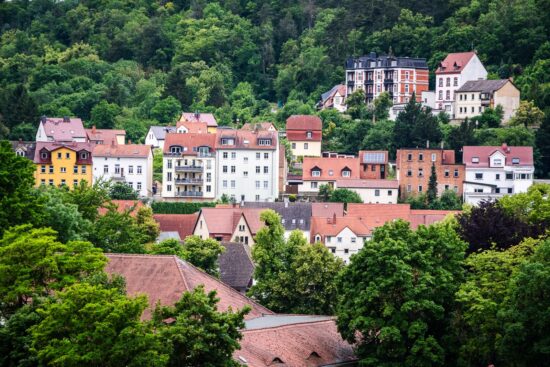
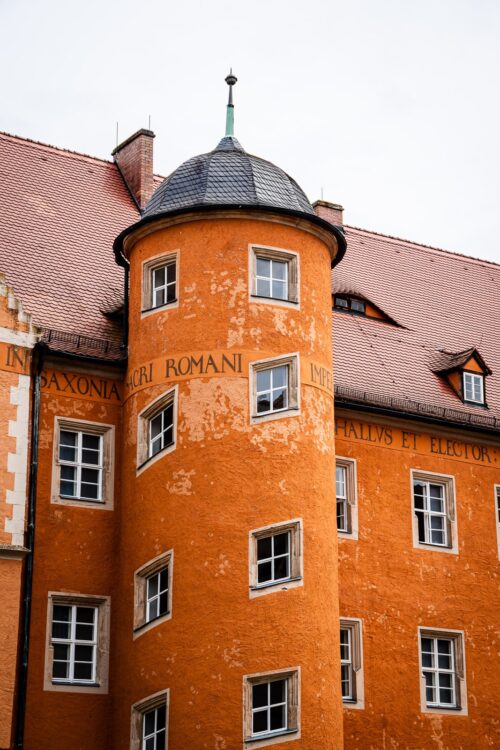
The programme began by establishing shared values for the week and exploring the history and values of the host setting. This helped create an environment in which everyone could participate, contribute and feel respected. Throughout the mobility, participants met local learners and community groups, exchanging perspectives on inclusion, lifelong learning and active participation.
Creative activities offered practical and engaging ways to explore these themes. During a digital activity, participants photographed themselves and placed their images within existing book illustrations. This simple exercise encouraged reflection on visibility, representation and belonging: the idea that everyone has a place within a shared story and that each individual presence matters.
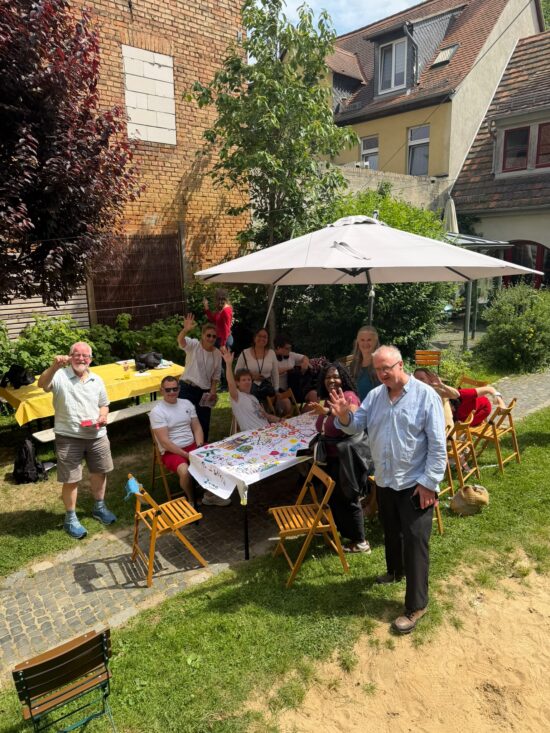
A collaborative art activity explored inclusion through shared ownership and contribution. Participants sat around a table and began painting before moving to a new seat after a short time. Each person then continued someone else’s work, adding their own ideas before moving on again. Gradually, every painting became a collective creation shaped by many different people. The activity encouraged participants to value different perspectives, adapt to the contributions of others and experience how something richer can emerge when individual ideas are shared rather than controlled.
Visits to community, educational and cultural settings further explored social participation, creativity and staying connected throughout life. Informal walks, shared meals and time spent discovering the local area also strengthened relationships across the group.
The programme concluded with reflection giving participants an opportunity to consider what they had learned about inclusion, participation and the importance of creating communities in which everyone can contribute and belong.