Lifelong Learning - Erasmus+
: Art as Therapy: Self-Expression and Special Needs in Art Education, Europass Teacher Academy, Barcelona, Spain
3 August - 8 August 2026
11 participants
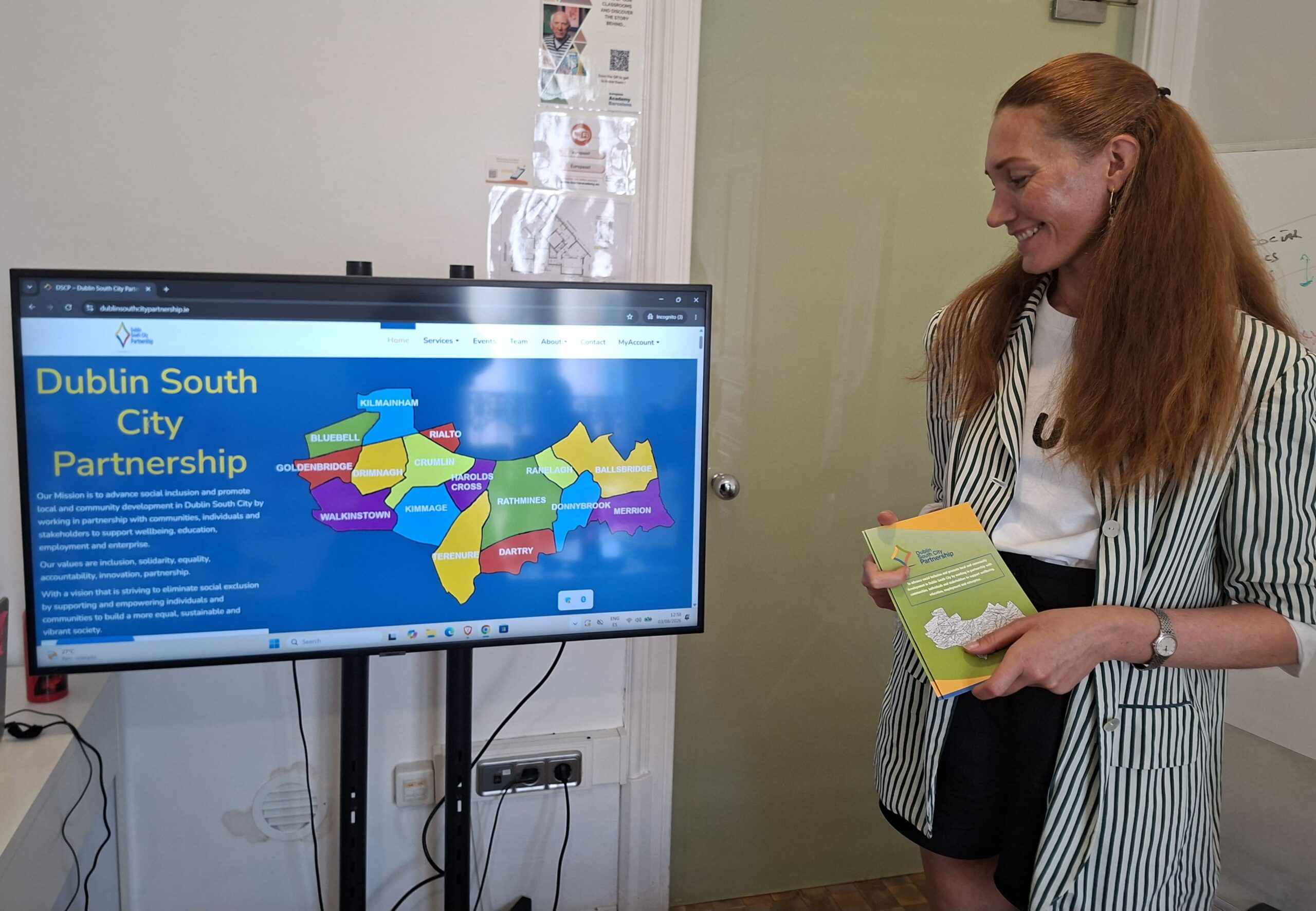
In 2023, the LifeLong Learning team in Dublin South City Partnership secured accreditation with Erasmus+, as a Community Adult Education provider. This results in funding each year to promote learning opportunities for the various teams of people we work with.
Erasmus+ is the EU’s programme to support education, training, youth and sport in Europe.
The programme places a strong focus on social inclusion, the green and digital transitions, and promoting young people’s participation in democratic life.
It supports priorities and activities set out in the European Education Area, Digital Education Action Plan and the European Skills Agenda. The programme also supports the European Pillar of Social Rights.
Having accreditation is providing us with the opportunity to widen our horizons, as learners and practitioners in adult education; to see how other countries and organisations work and what they do; and to share our experience both away and when we come back.
In August 2026 one of the Lifelong Learning tutors took part in a five-day Erasmus+ training course, Art as Therapy: Self-Expression and Special Needs in Art Education, at Europass Teacher Academy in Barcelona.
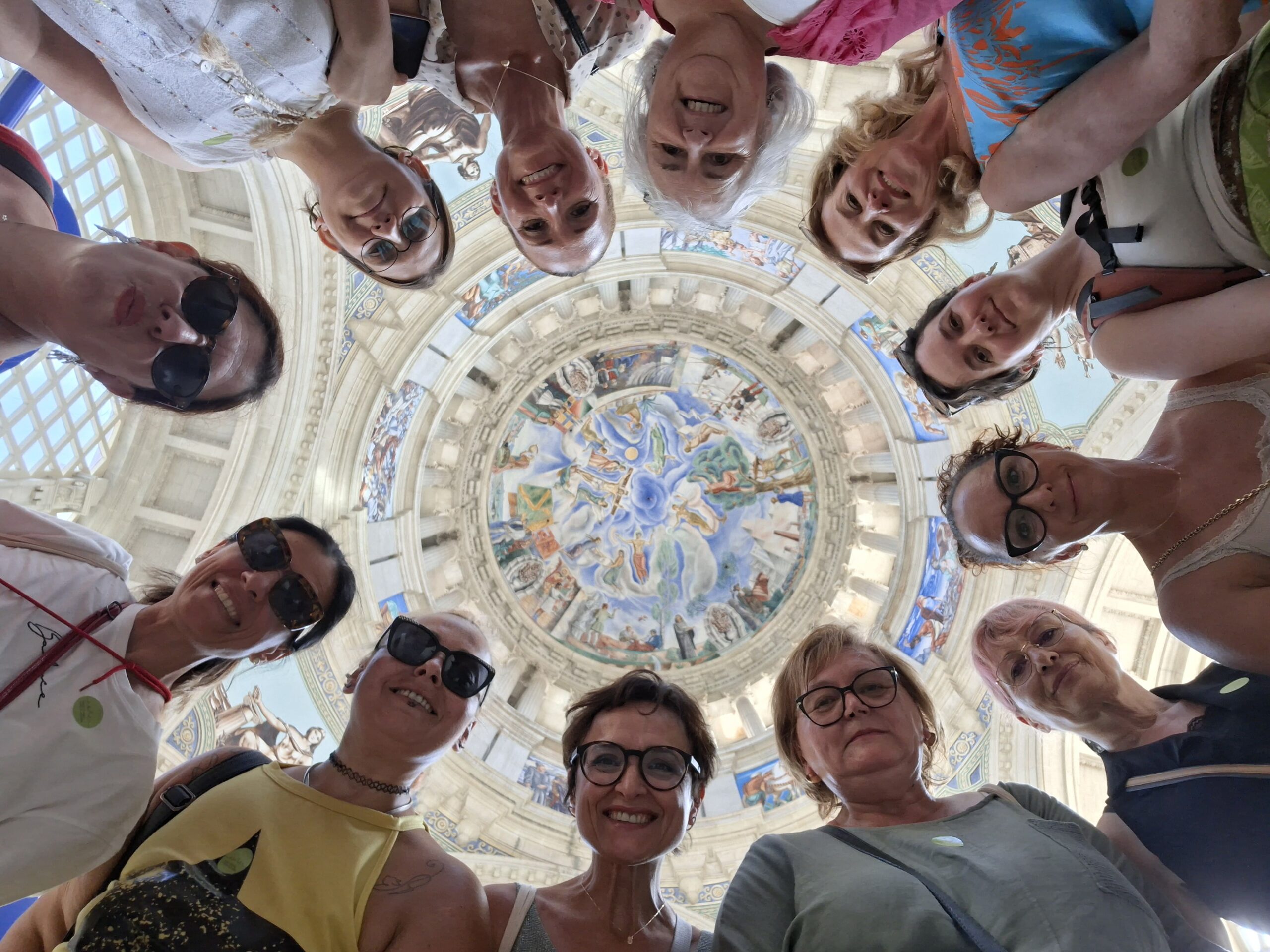
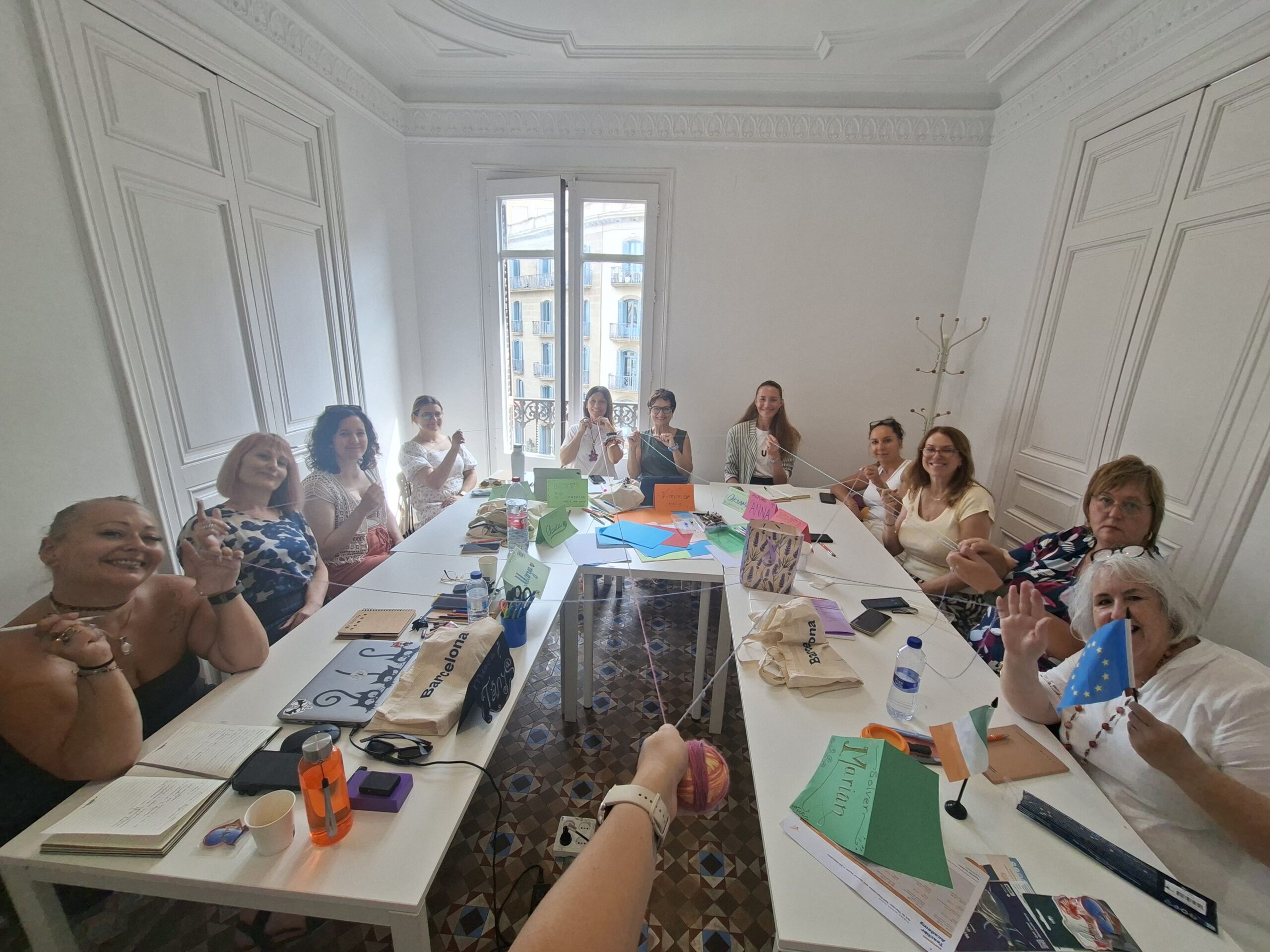
The course brought together 11 participants from Ireland, Poland, Bulgaria, Hungary, Croatia and Italy, each working in different educational and community contexts. This diverse group provided an opportunity to exchange experiences, approaches and ideas about using the arts to support learning, well being and inclusion.
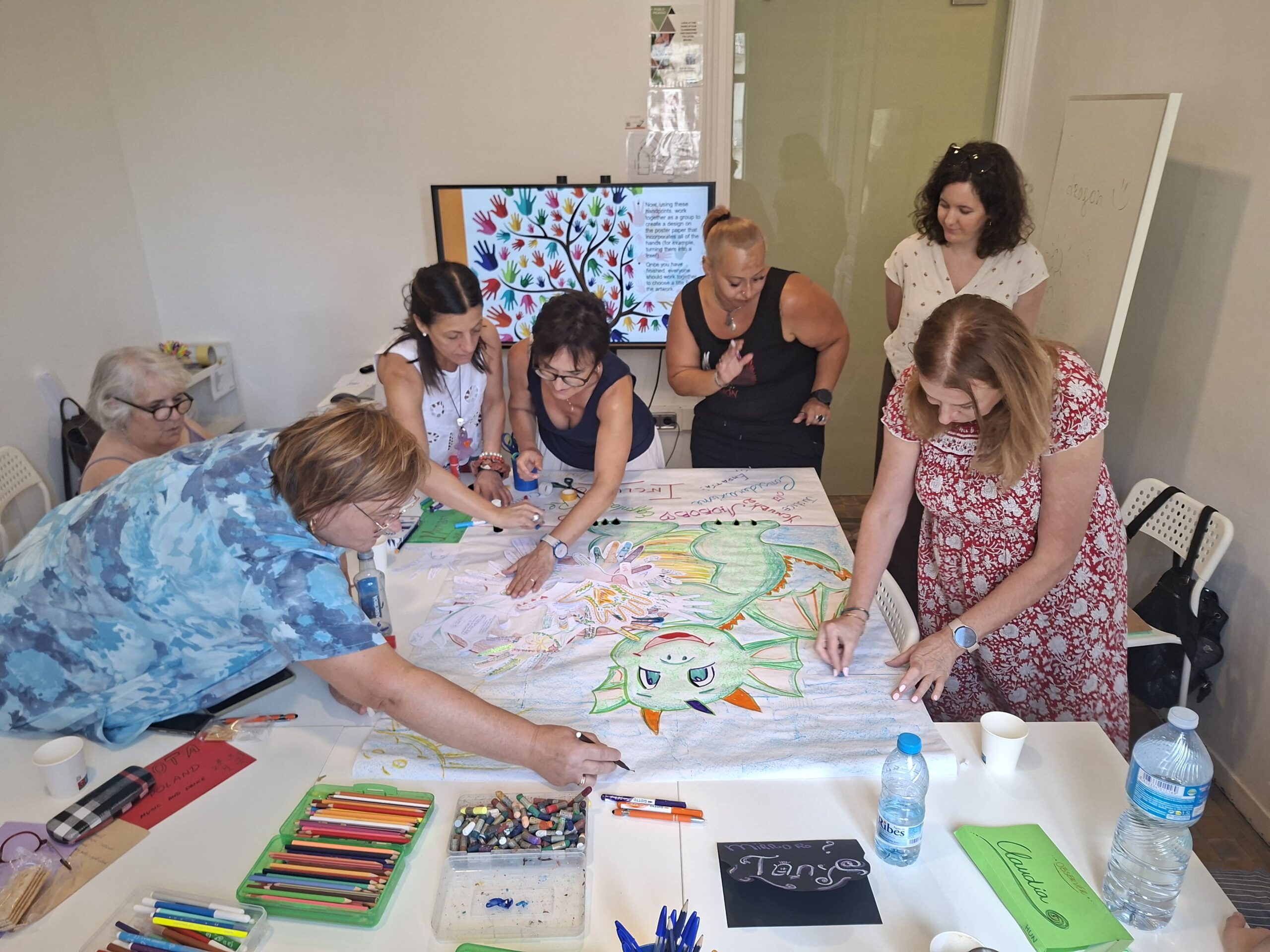
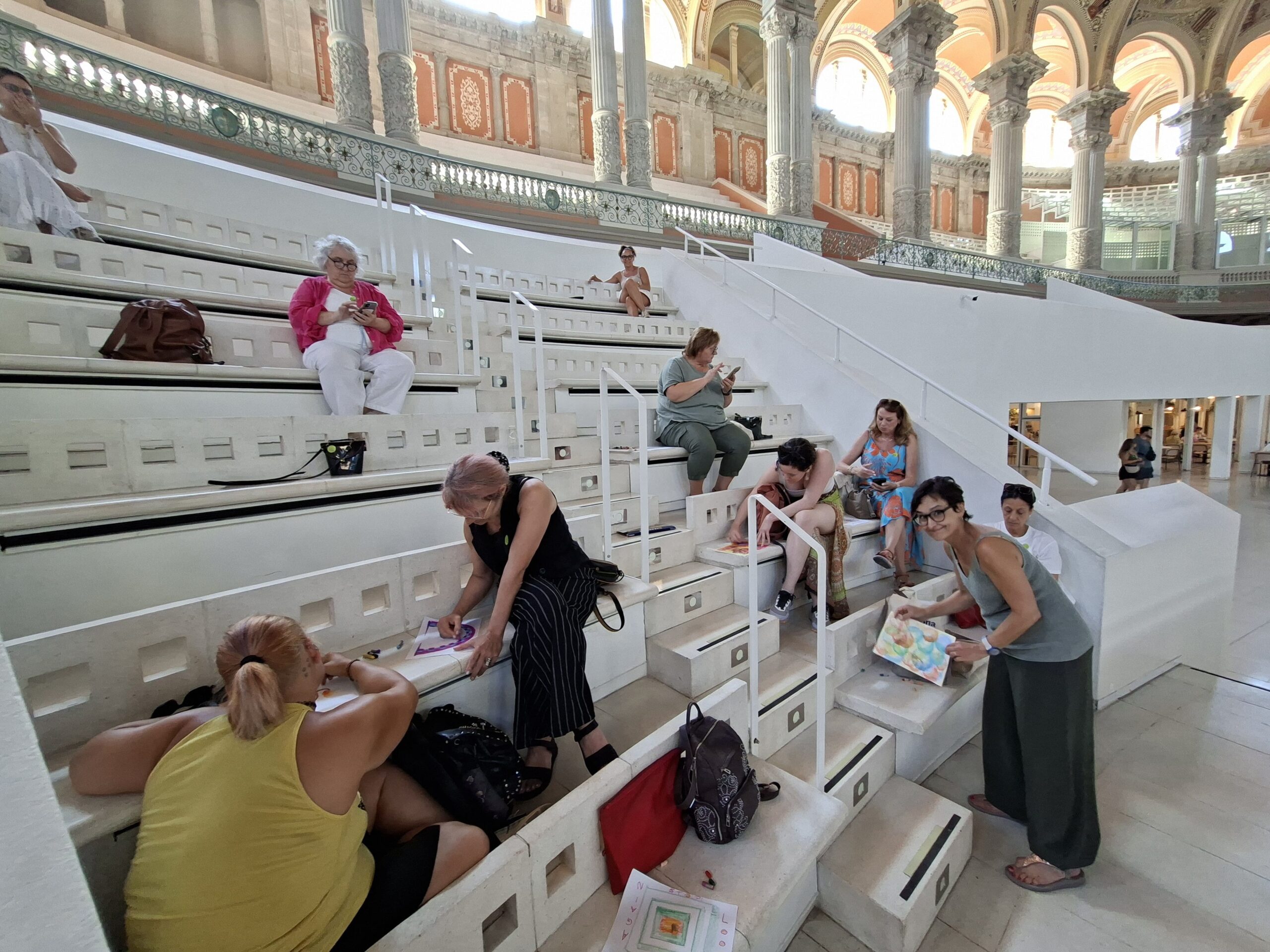
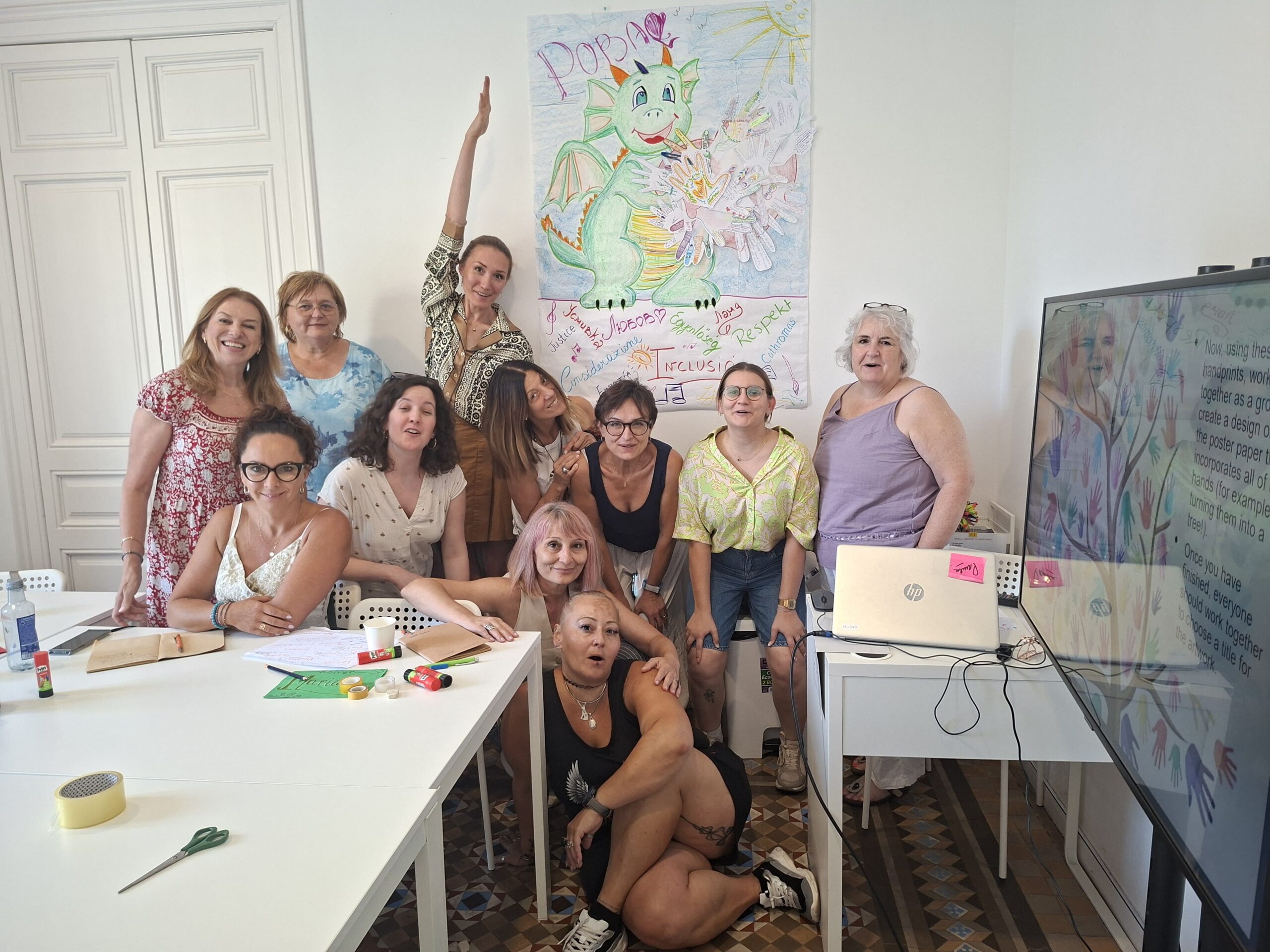
The training combined theory with hands-on practice throughout the week. Participants explored how art, movement and music can support emotional well being, self-expression and resilience, as well as how creative activities can be adapted to enable people with different abilities to participate fully.
Sessions focused on themes including attention and presence, self-expression and empathy, collaboration through creative activities, and the role of the arts in creating more inclusive environments.
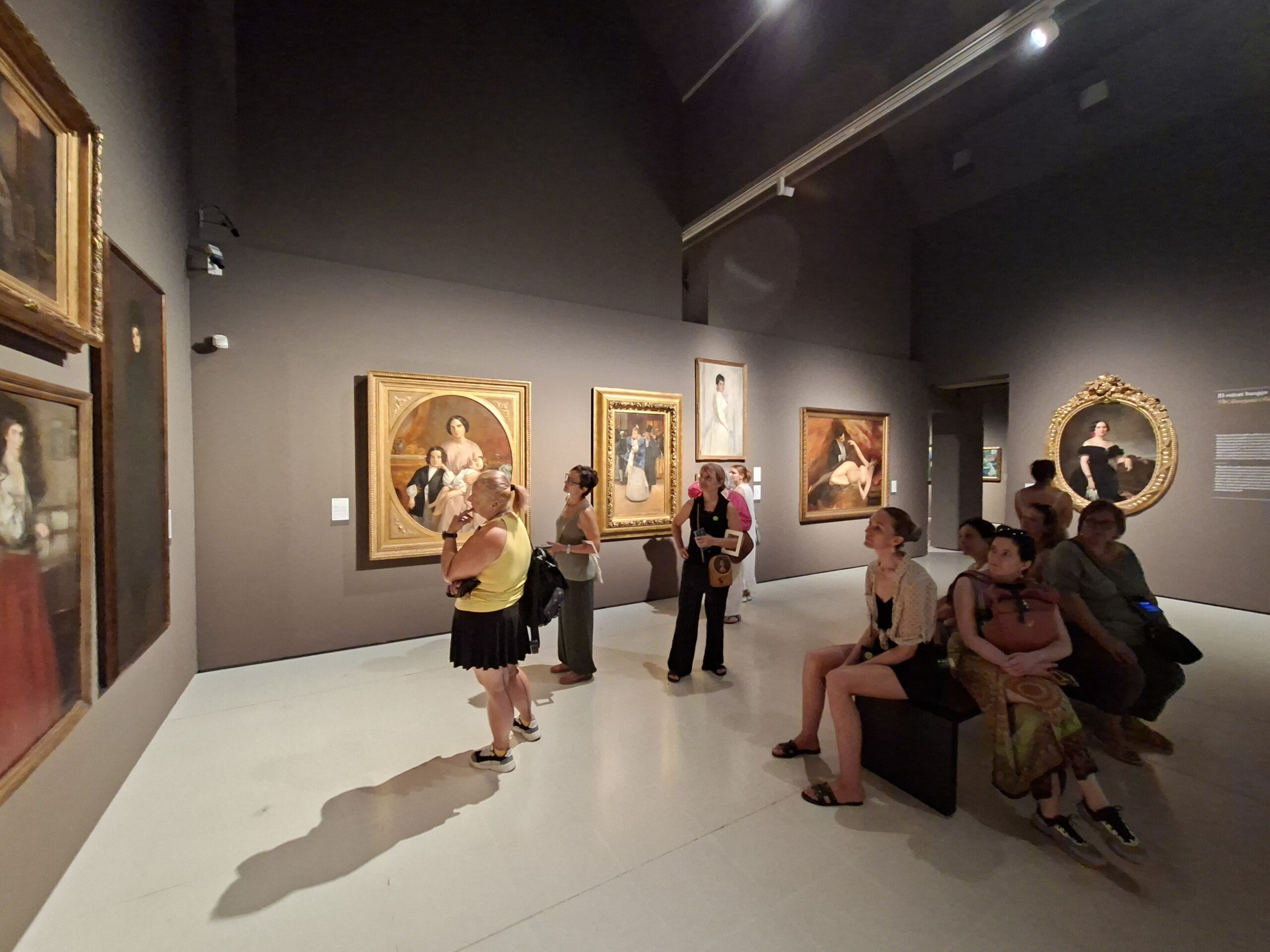
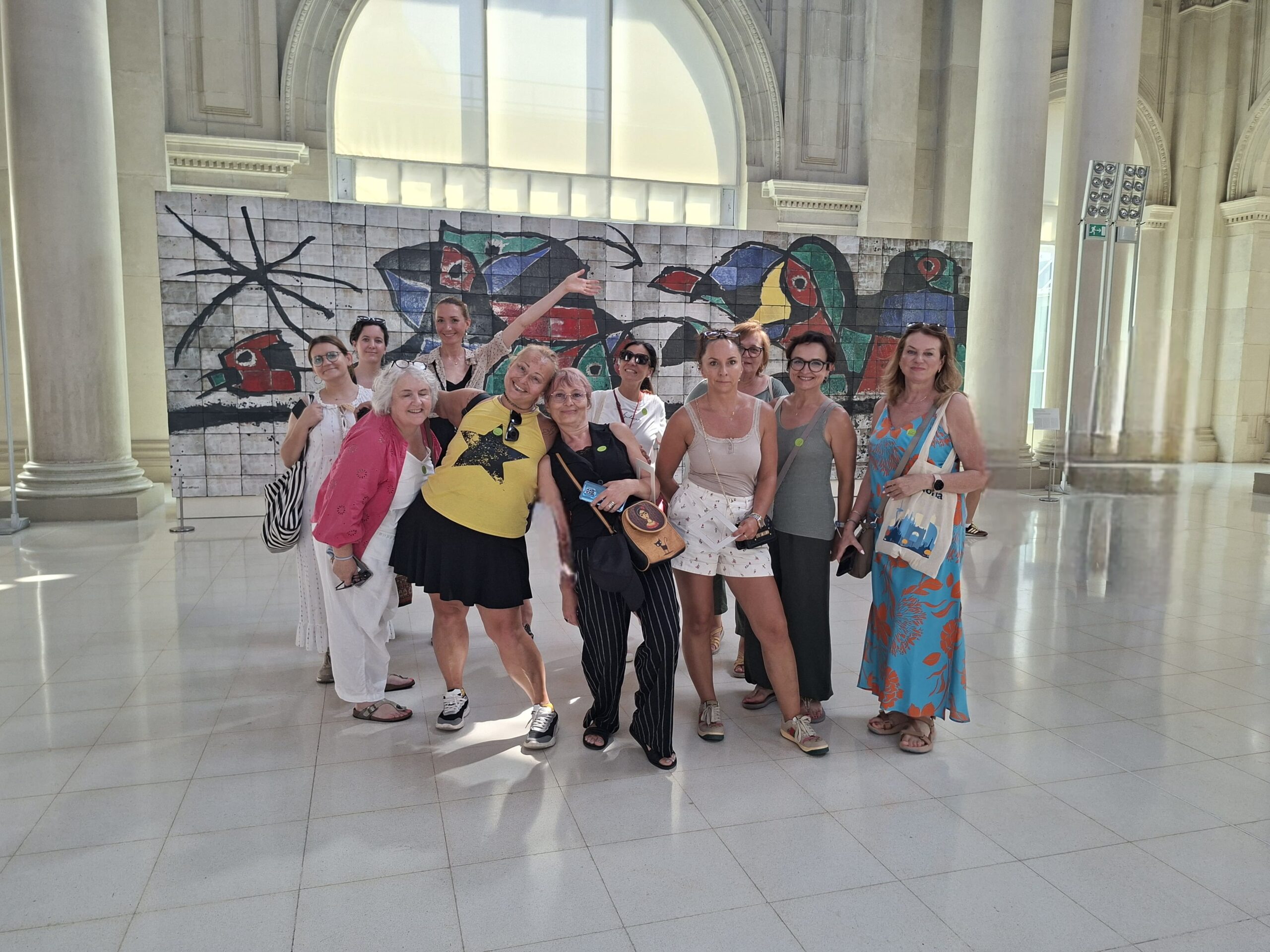
One day of the course took place at the Museu Nacional d’Art de Catalunya, where participants worked directly with artworks as starting points for observation, discussion and reflection.
Working across different languages and cultures highlighted how creative activities can communicate meaning and encourage connection, even when a shared language is limited. This was particularly relevant to our work with Dublin’s intercultural community, where creative approaches can provide valuable opportunities for participation, expression and connection.
The knowledge and practical methods gained during the training are now being adapted into a new creative well being course for DSCP adult participants, helping to bring the learning from Barcelona directly into our community-based work.