Lifelong Learning - Erasmus+ 2025
Inspiring international mobility experience hosted by Konrad Martin Haus in Bad Kösen, Germany
07/12/2025 to 12/12/2025
In 2023, the LifeLong Learning team in Dublin South City Partnership secured accreditation with Erasmus+, as a Community Adult Education provider. This results in funding each year to promote learning opportunities for the various teams of people we work with.
Erasmus+ is the EU’s programme to support education, training, youth and sport in Europe.
The programme places a strong focus on social inclusion, the green and digital transitions, and promoting young people’s participation in democratic life.
It supports priorities and activities set out in the European Education Area, Digital Education Action Plan and the European Skills Agenda. The programme also supports the European Pillar of Social Rights.
Having accreditation is providing us with the opportunity to widen our horizons, as learners and practitioners in adult education; to see how other countries and organisations work and what they do; and to share our experience both away and when we come back.
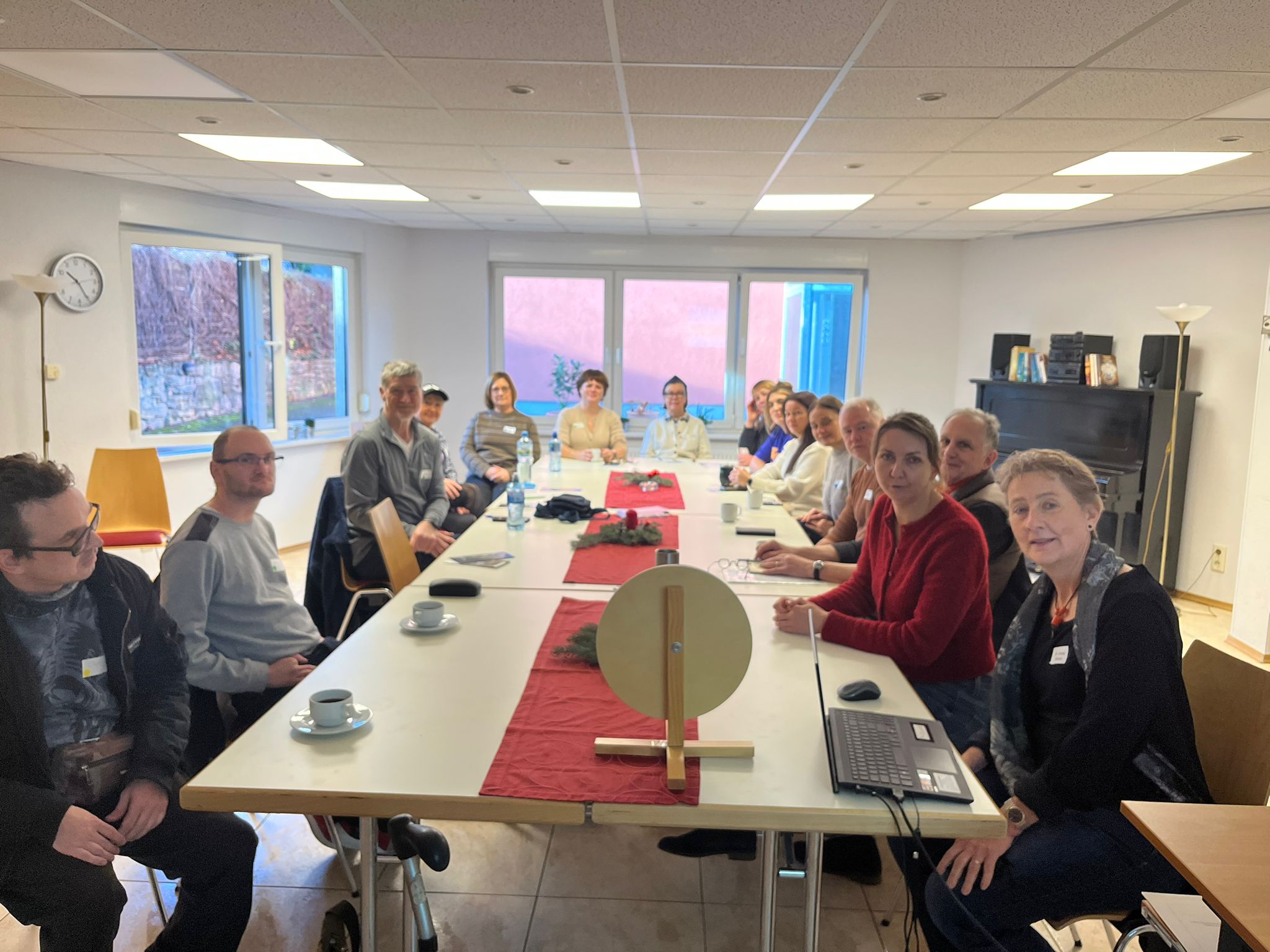
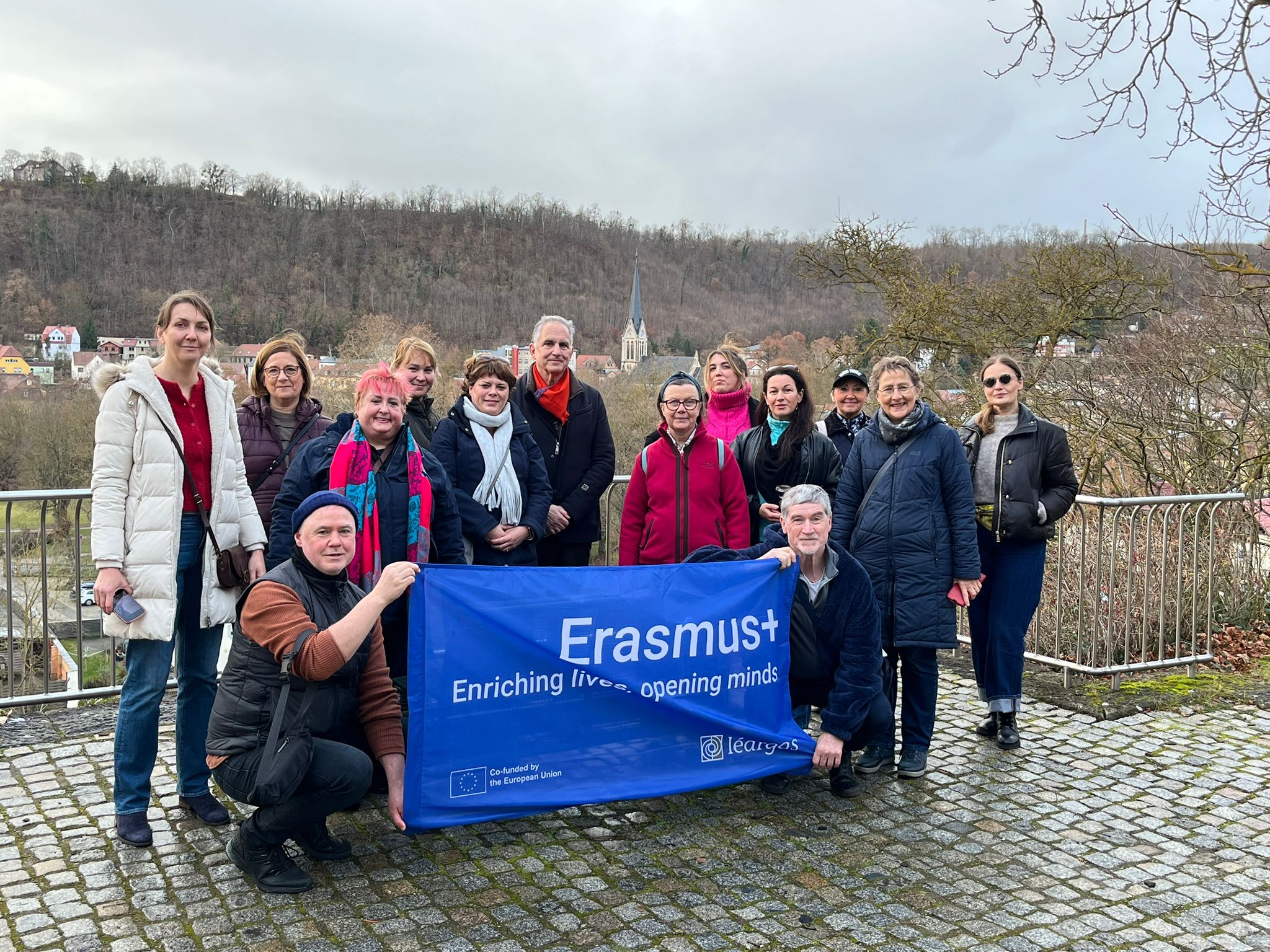
As part of an Erasmus+ funded study visit, a group of lifelong learners from DSCP took part in an inspiring international mobility experience hosted by Konrad Martin Haus in Bad Kösen, Germany. This journey was not just about travel—it was about learning, connection, and exploring how culture can become more accessible and inclusive for everyone.
This Erasmus+ study visit was a powerful example of learning beyond the classroom—where shared experiences, cultural exchange, and inclusive values came together to create lasting impact.
The visit was carefully prepared through a series of six pre-departure workshops, where participants learned about the host country, the local context of Bad Kösen, and the aims of the study visit.
Just as importantly, these sessions created a safe and welcoming space for the learners to get to know one another, build trust, and grow into a supportive group. Through collaborative activities, discussions, and creative exercises, the group developed a shared sense of purpose and curiosity that carried into the mobility itself.
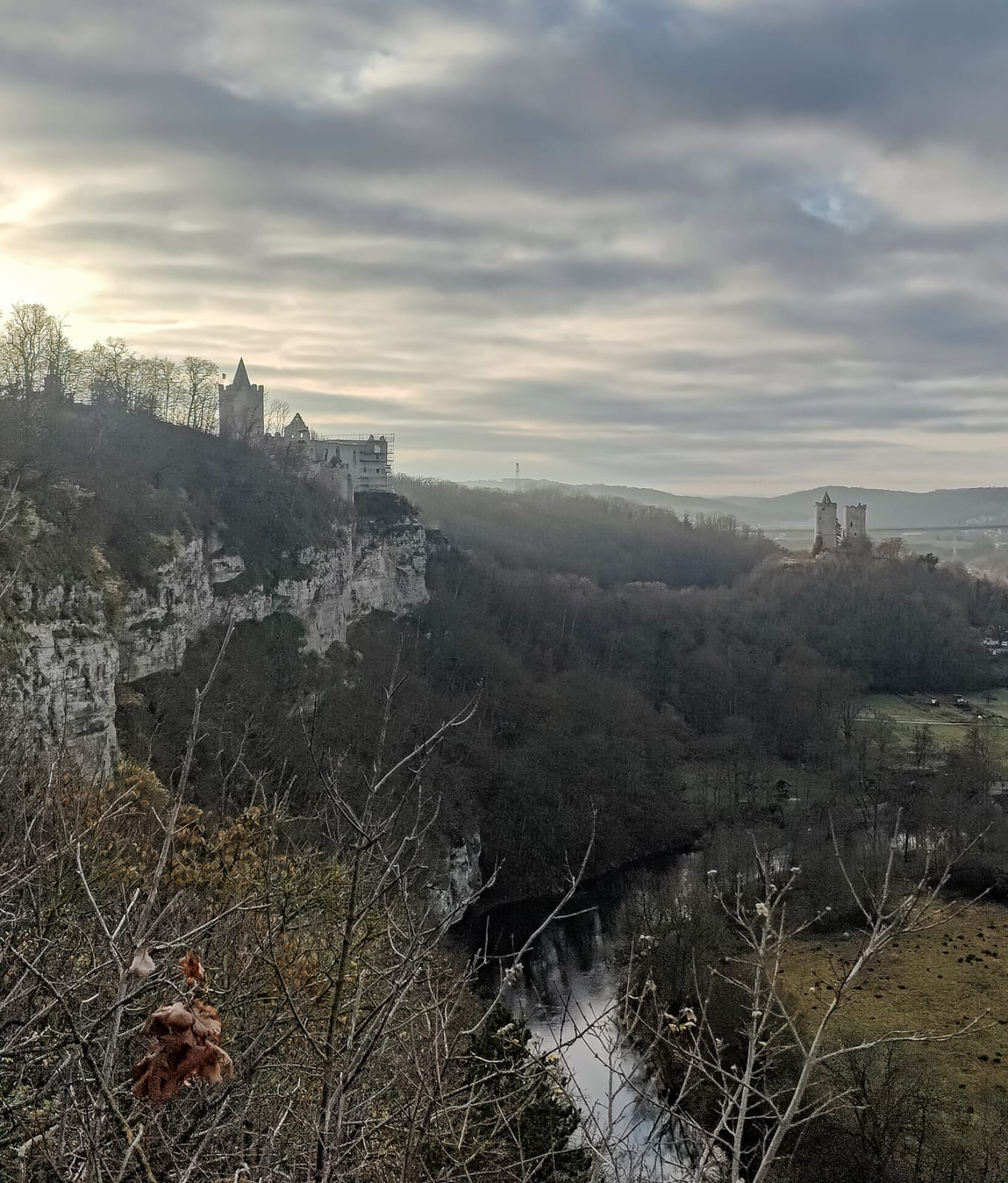
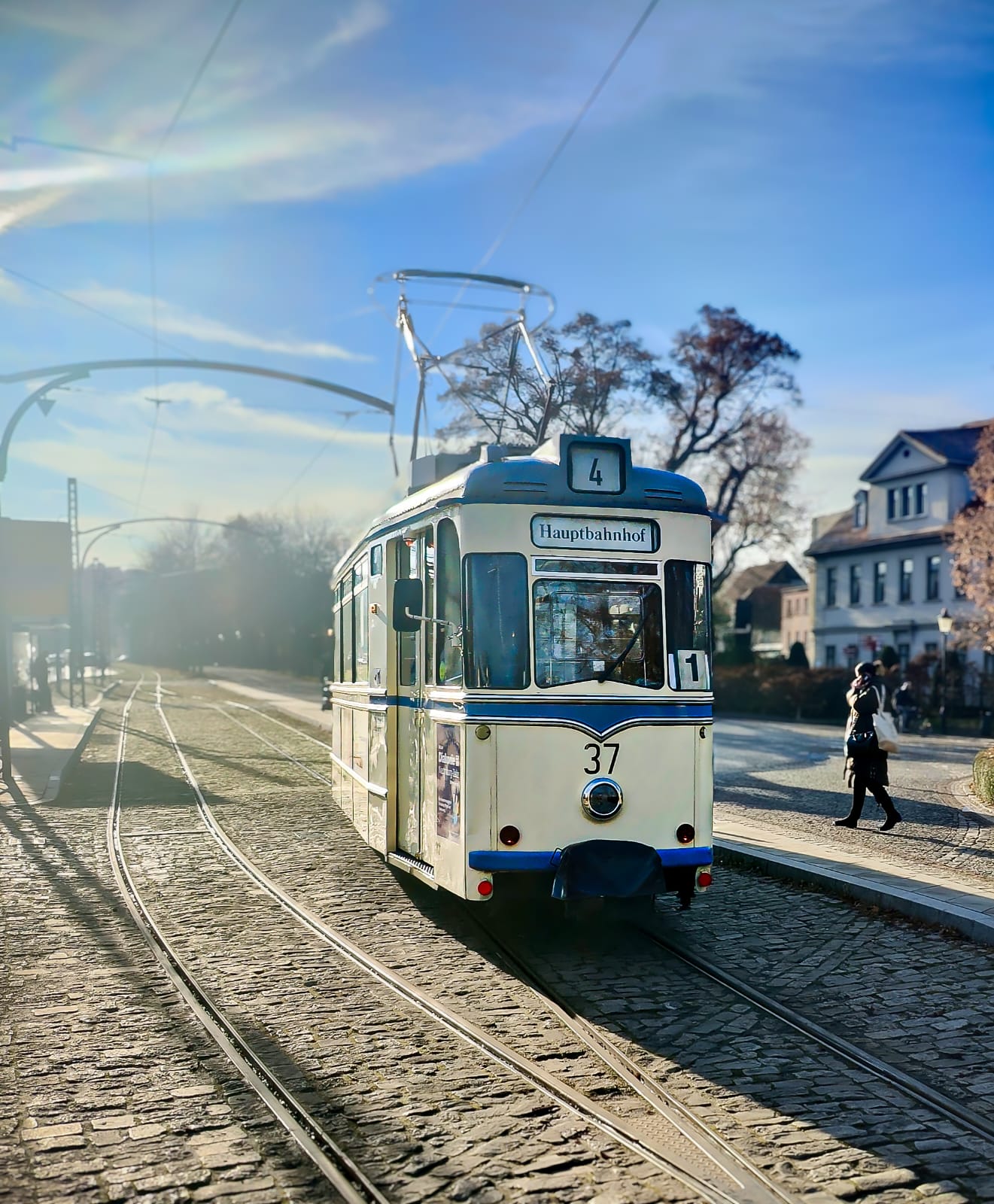
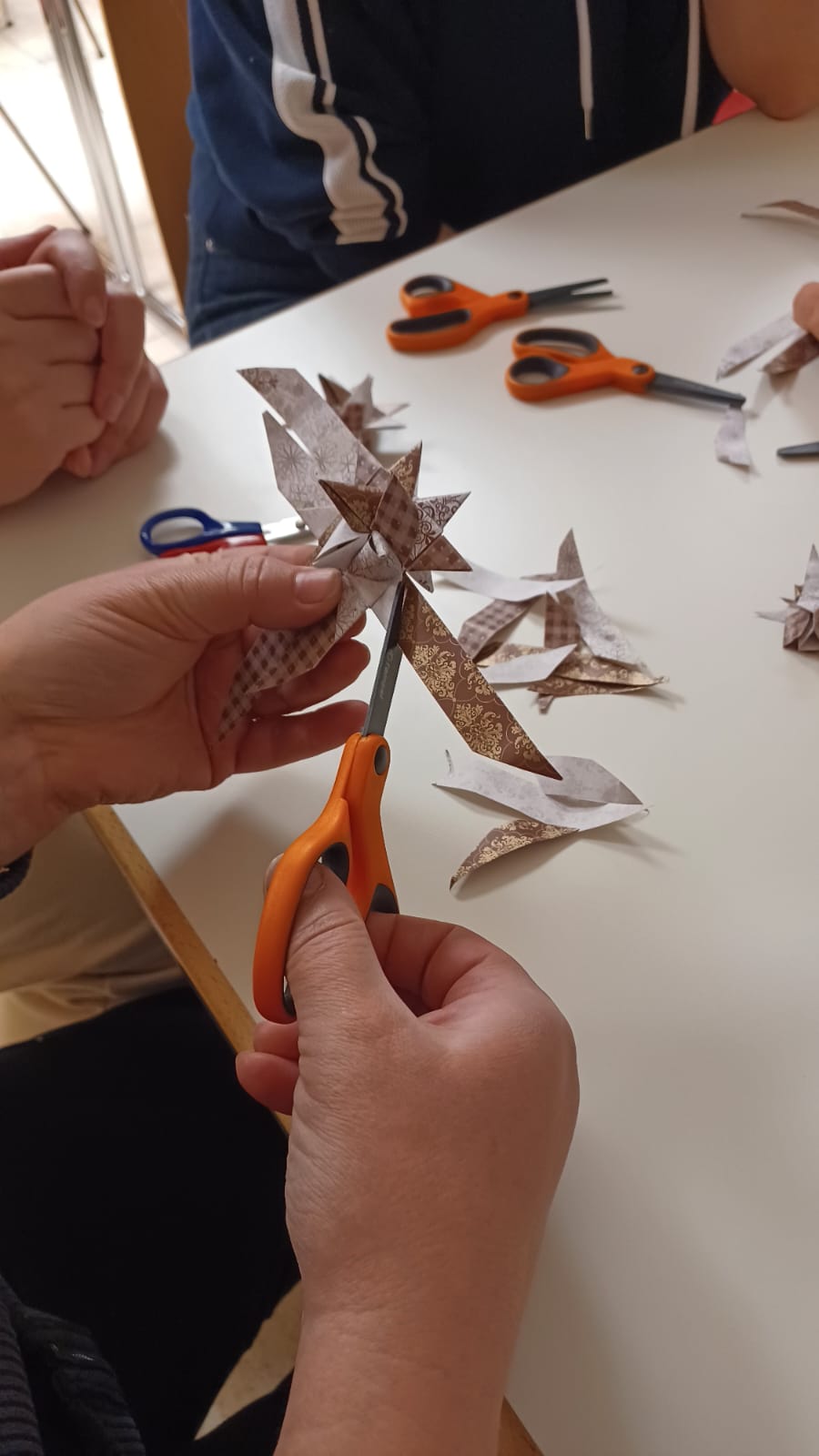
During their stay in Bad Kösen, took part in a rich programme of non-formal and experiential learning activities. These included guided cultural visits such as UNESCO World Heritage site of Naumburg Cathedral, creative hands-on workshops exploring local Christmas traditions, intergenerational exchanges with local senior group, and practical sessions using an Inclusion Checklist to assess accessibility in cultural and community settings.
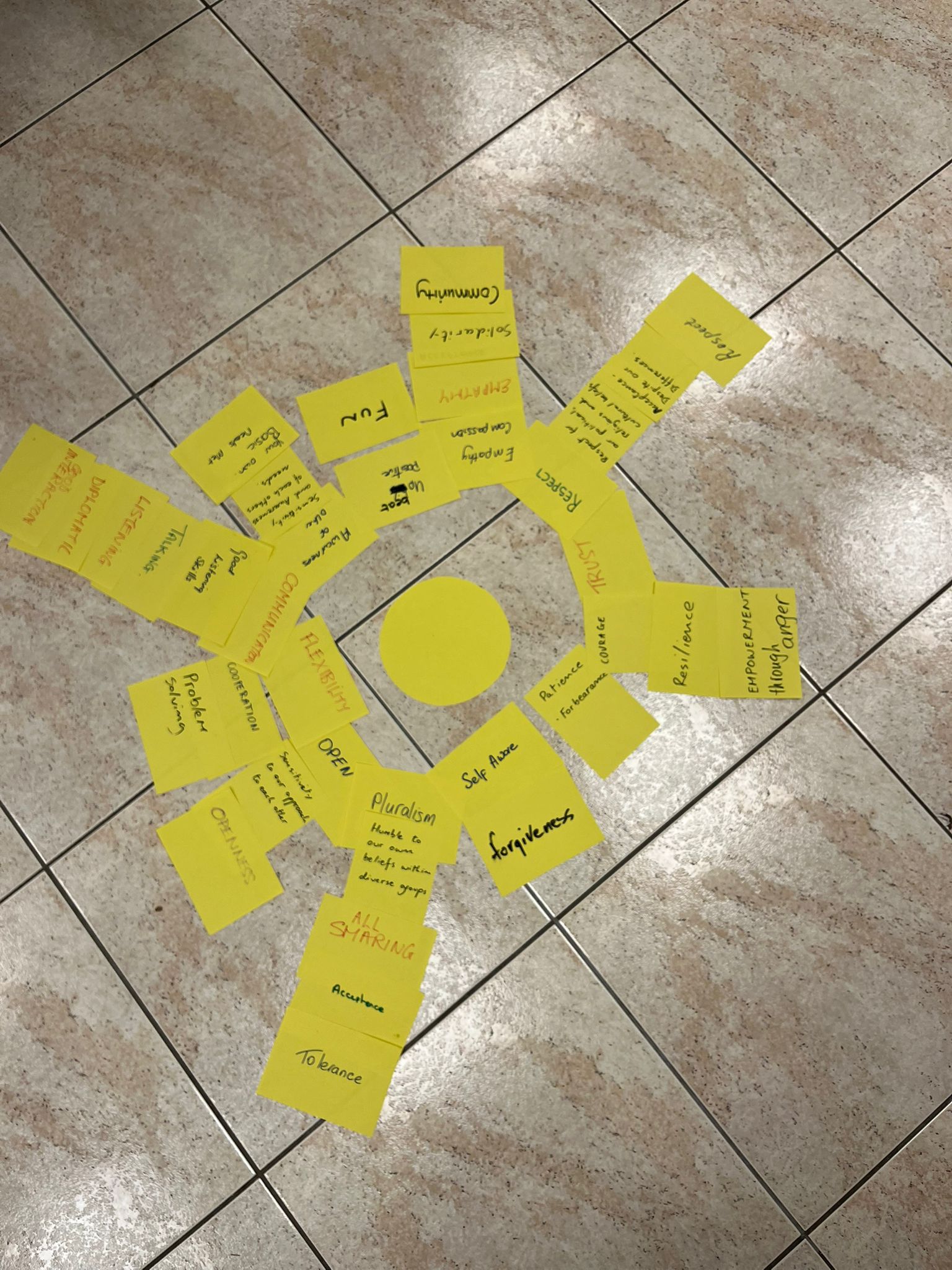
Participants also experienced simulated disability exercises, explored inclusive learning spaces like the local library, and worked collaboratively to develop their own guidelines for cultural inclusion to foster participation of people with different abilities, backgrounds, and experiences.
Beyond specific activities, the study visit encouraged deeper reflection on accessibility, diversity, and community-building. Learners were invited to think critically about whose voices are heard in cultural spaces and how inclusive approaches can strengthen social cohesion. The experience encouraged to develop confidence, intercultural awareness, and a stronger belief in their own role as active contributors to inclusive communities.